Free growth review with CrosbyA limited client list, so Crosby stays in your numbersACCA registered practice

Accountants for garages who show which site makes money before you expand

Accountants for garages should show the profit from each site and keep VAT and payroll current. They should cost the next technician before you commit.

One company per site can keep each garage separate and adds more to manage. The useful question is whether your accountant can show profit, VAT and payroll by site before the next decision.

  • Crosby Enninful ACCA
  • Hertfordshire and London
  • Fixed monthly fee
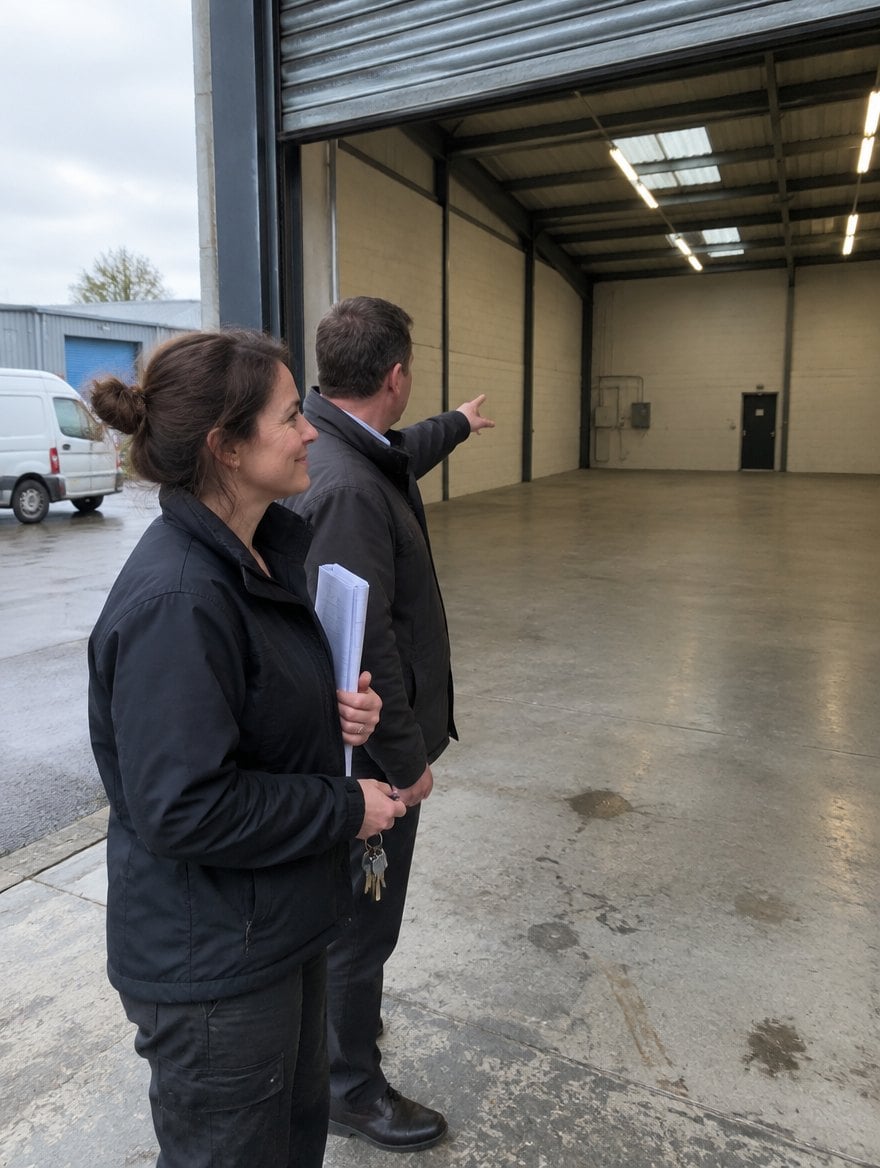
Accountants for garages: Garage owner outside a larger second unit with the agent

Egbenn Accountancy is an ACCA registered practice for owner-run garages across Hertfordshire and London. It keeps bookkeeping, VAT and payroll current through a fixed monthly fee. Site results are compared, and Crosby Enninful ACCA takes every client call.

What changes when each garage has its own result

See profit by garage before expanding

Compare each site’s result before signing for another unit.

Know what leaves the bank and when

VAT, PAYE and pension duties are checked before each deadline.

Price the next technician before hiring

Include PAYE, pension and employer National Insurance before making the offer.

The decisions that expose weak garage accounts

A combined total can hide the problem until cash has already left the bank.

  • “I could see VAT on parts and labour, yet nobody could explain why the return did not match the bank.”

    Cash was set aside using a VAT answer nobody could support.

  • “We opened another site in the same company, then found we could not compare what each garage earned.”

    The stronger garage covered the weaker one, leaving the next site decision on a combined result.

  • “I hired another technician from the wage alone and found payroll cost more than I had allowed.”

    Employer costs reduced the cash available for parts and the next ramp.

  • What changes once the advice is in the room

    Each garage has its own profit view. VAT and payroll are checked before deadlines. The next ramp, technician or site is costed before anything is signed.

If they cannot explain your tax bill, the next technician’s cost and which site makes money, you have the wrong accountant

Answer these questions about the accountant looking after your garages today.

Question 1 of 3

Could they tell you today what this year’s corporation tax bill will be?

A filing accountant and an accountant who helps you decide

The difference appears before you take another unit, add a ramp or hire another technician.

Year end filing

The accounts are prepared after the year closes.

VAT returns are filed from the information supplied.

Payroll is run from the pay details received.

Tax is confirmed when the accounts are ready.

Advice during the year

Profit is compared for each garage during the year.

VAT on parts and labour is checked before filing.

The next technician is costed before the offer.

Tax and site plans are discussed before commitments.

Eight checks before your next garage decision

A yes to each question means the next decision rests on current information.

  • Can you see profit for each site?

    Each garage should have its own result.

  • Can VAT on parts and labour be traced?

    The return should tie back to invoices and purchases.

  • Does each technician’s cost include employer charges?

    PAYE, pension and employer National Insurance should be included.

  • Is the corporation tax figure known before it lands?

    The amount should be discussed before the year closes.

  • Has one company per site been compared with one for all?

    The structure should match ownership, risk and expansion plans.

  • Is the way you pay yourself reviewed during the year?

    Pay should be checked against the company’s current position.

  • Are filing and payment deadlines planned?

    Each company should have its own filing calendar.

  • Is the monthly fee agreed before work begins?

    The scope and fee should be written down first.

What stays current between garage year ends

The monthly work supports the decisions that cannot wait for filed accounts.

All Who we work with

How three sites stay separate and comparable

One garage owner uses a limited company for each site and sees the result for each one.

Three garages three limited companies, one accountant

Each company is kept in step, VAT and payroll run across the sites, and results reported by garage.

Three garages running as three stable limited companies, one per site, with results showing which garage makes money.

The owner has since referred his partner’s salon to Egbenn.

Clients described by type. Names withheld.

What the first three months put in place

The structure, handover and site reporting are dealt with in a sensible order.

Before day one

Your fit is checked first

Answer a few quick questions about turnover, structure, your current accountant and your plans.

Day 30

Each site gets a starting point

The free growth review checks company structure, VAT, payroll and tax across the garages.

Day 60

The handover stays on track

Egbenn deals with the previous accountant, collects the books and discounts any catch-up work needed.

Day 90

Each garage can be compared

The result for each site is reviewed before the next hire, ramp or unit.

Where this way of working fits best

It suits an owner-run garage past six figures where the business is the owner’s main income.

A garage run beside a full-time job is outside Egbenn’s focus.

Pre-revenue projects and short-life contractor companies are outside Egbenn’s focus.

Egbenn will not declare income or expenses that are not real.

The quick questions lead to a personalised recommendation, with the free growth review offered where there is a fit.

What garage owners ask before changing accountant

What does a monthly fee for accountants for garages include?

The fixed monthly fee is agreed before work starts and reflects what each garage needs. It can cover bookkeeping, VAT, payroll, pensions, year end accounts, corporation tax and the director’s personal tax. Site reporting can also compare each garage. Nothing is billed from a timesheet.

Can garage owners switch accountants if they already have one?

Yes. Most owners who approach Egbenn already have an accountant and want more advice during the year. Answer the quick questions first. Crosby then sends a personalised recommendation. If there is a fit, he arranges the free growth review before any decision about switching.

Do accountants for garages make us change software?

No. Egbenn first checks how the garage keeps sales, purchases, VAT and payroll information. Existing software can stay when it supports current books and useful site reporting. If a change would help, Crosby explains why and agrees the move before anything is changed.

What happens to our current accountant when we switch?

Egbenn writes to the current accountant, requests the formal handover and collects the books and filings. Catch-up work is identified and discounted, then the monthly fee is agreed before work starts. The handover is managed around filing dates so no return is left unattended.

Should each garage have its own limited company?

It depends on ownership, risk, plans for each site and the administration separate companies create. A separate company can make each garage easier to assess, while one company can be simpler to run. Crosby explains the reporting and tax effects before recommending a structure.

How should VAT on parts and labour be handled?

Sales, parts, labour and purchases need to be captured consistently, then checked against the VAT return before filing. The right treatment depends on what the garage sells and how it invoices customers. Egbenn keeps the books current and raises questions before submission.
Three ways to take the next step